These projects cover a time period from 1975 to 2019. The intent with the display of these projects is to give you an idea of the broad range of materials I’ve worked with, skill sets and interests I’ve developed. I’ve been very fortunate to have had excellent instruction, excellent example to emulate and access to shops and tools throughout my life. The wonderful example to emulate and lots of coaching came from my father for which I will always be very thankful. In 1975 I was in Elizabeth Park Secondary School in Gloucester, Ont and they had a pretty good wood shop/craft program but it was when we moved to Courtenay, BC that I had access to the best wood, metal and electronics shop classes.
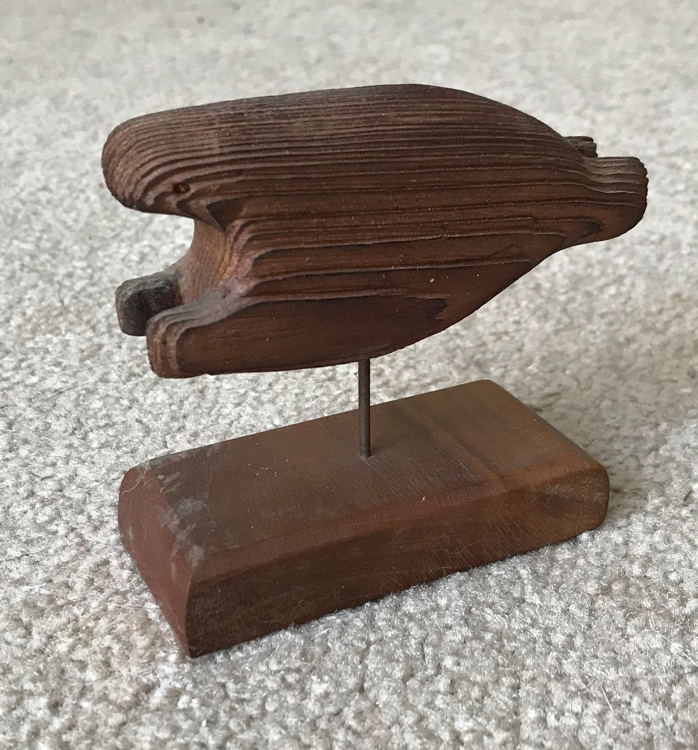
Seal Sculpture
1975. Cedar wood and brushed with a wire brush. Elizabeth Park Elementary, Gloucester, Ont.
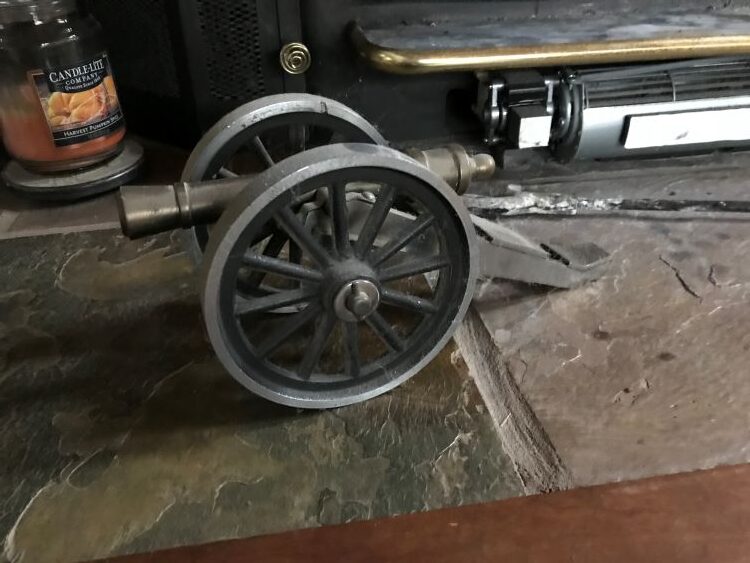
Cannon
1976. Cast aluminum wheels, welded cold rolled steel carriage, lathe turned brass barrel. Lake Trail Secondary School, Courtenay. BC. Grade 9 metal shop class was awesome – so many life skills.

Chess Set
1977. Cast aluminum pieces. Lake Trail Secondary School, Courtenay, BC. I designed the chess pieces and made the molds in wood for the sand casting method – still have some of the molds around. The grade 9 shop teacher was very patient to allow me extra time to do all the casting and finishing and generous to give me the aluminum.
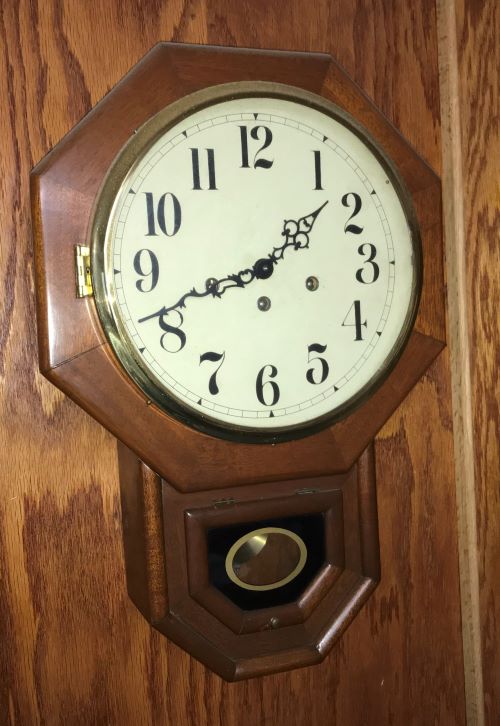
School Clock
1977. Lake Trail Secondary School, Courtenay, BC. Built from plans from Mason & Sullivan. 7 Day German pendulum movement with Westminister chimes.

Mantel Clock
1994. Ottawa, Ontario. Cherry wood. Built from plans from Mason & Sullivan. German movement.
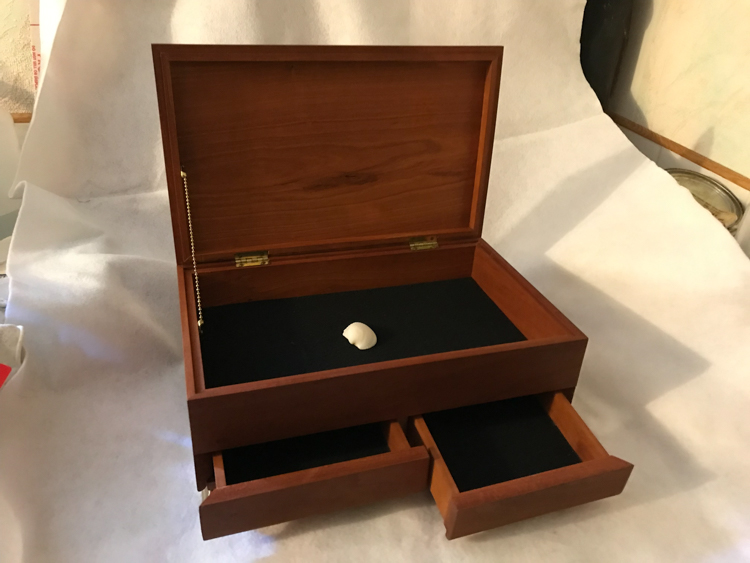
Jewellery Box
1995. Cherry wood – from the Pakenham tree.
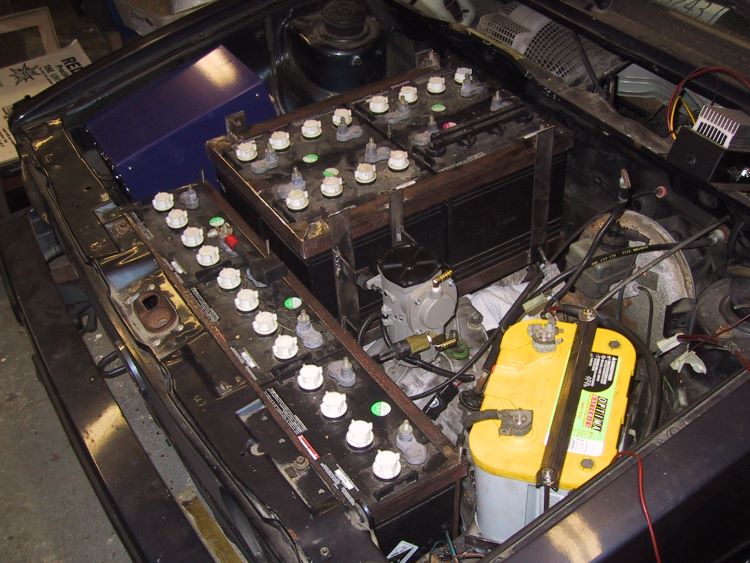
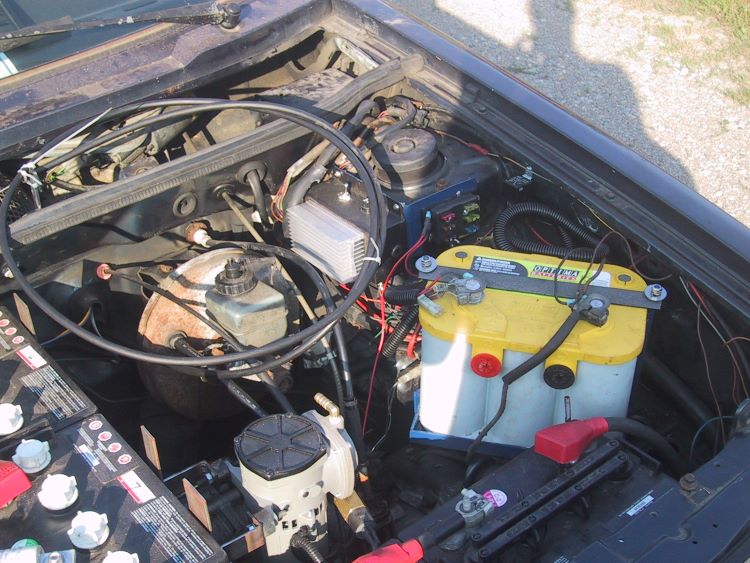
VOLTSWGN – Electric Car Conversion
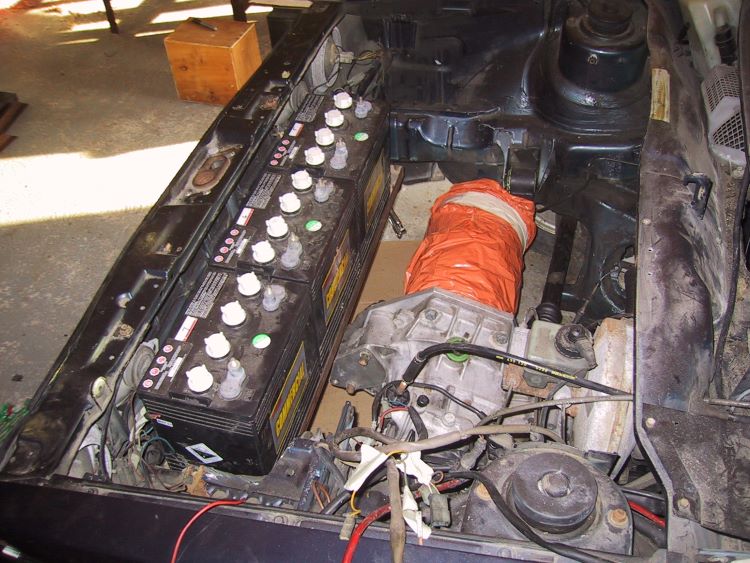
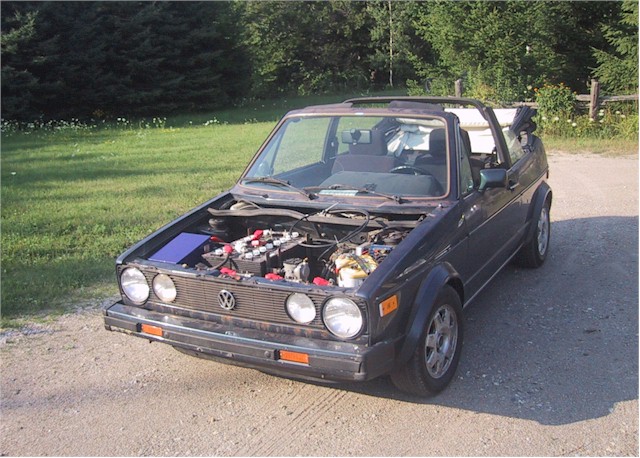
2003. Angus, Ontario. Conversion of a 1987 VW Cabriolet. 16 x 8V lead-acid golf-cart batteries (128V) feeding an 8″ WarP DC motor. 9 batteries in the trunk area and 7 in the engine area. I had to get heavier springs of course. Had a range of 60-80km. Took about 200 hours to convert all in my garage. Thanks to my exposure to welding and machining from my grade school classes I was able to tackle this project. As well, thanks to Gary for the loan of his engine lift. I drove it for four years and then decided to sell it – it’s range was too small to be practical. I was contacted recently by the current owner so I know that it’s still on the road.
Maple Syrup Evaporator V1
2004. Angus, Ontario.
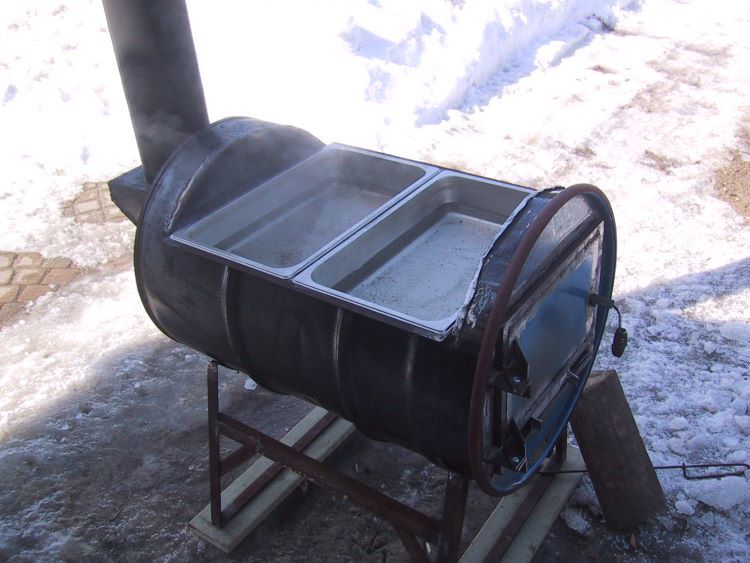
From a 50gal steel barrel and various other bits of metal. Two kitchen warming trays allow a two stage evaporation process.
Maple Syrup Evaporator V2
2014. Angus, Ontario.
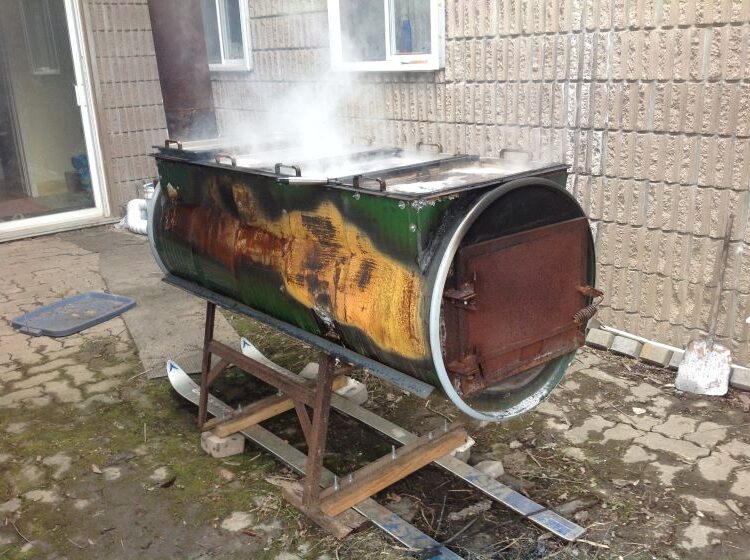
Made from two 50gal barrels and reused parts from the rusted out V1 evaporator. This design allows three warming trays for a three stage evaporation process and the firebox is bigger to allow larger wood fuel.
3D Printers
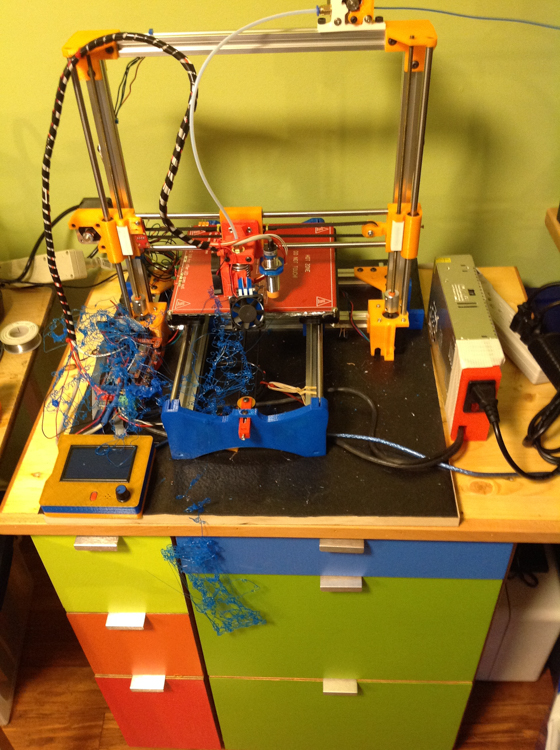
2015. I bought a 3D printer kit from Electronic Geek in Montreal. With that 3D printer I built the parts for three other 3D printers. Two were Wilson TS models as per the picture and one was a Wilson II. See reprap.org for more info on these printers and for more info on 3D printers in general.
Top-bar Bee Hive
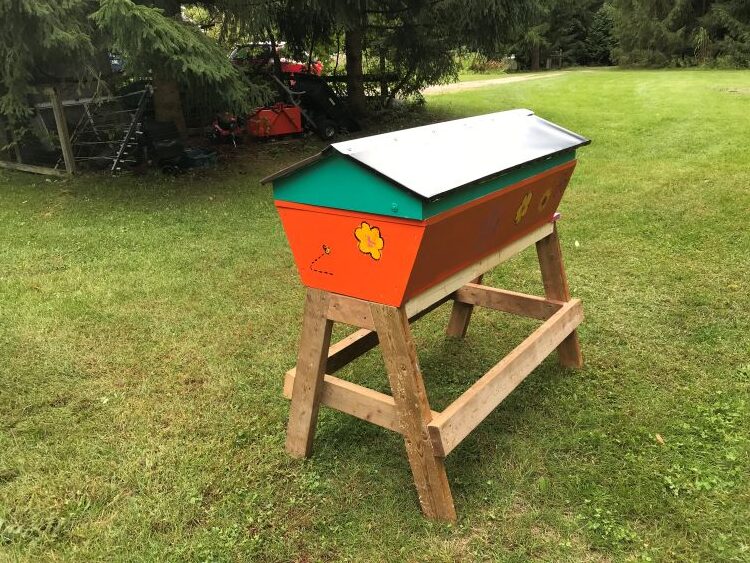
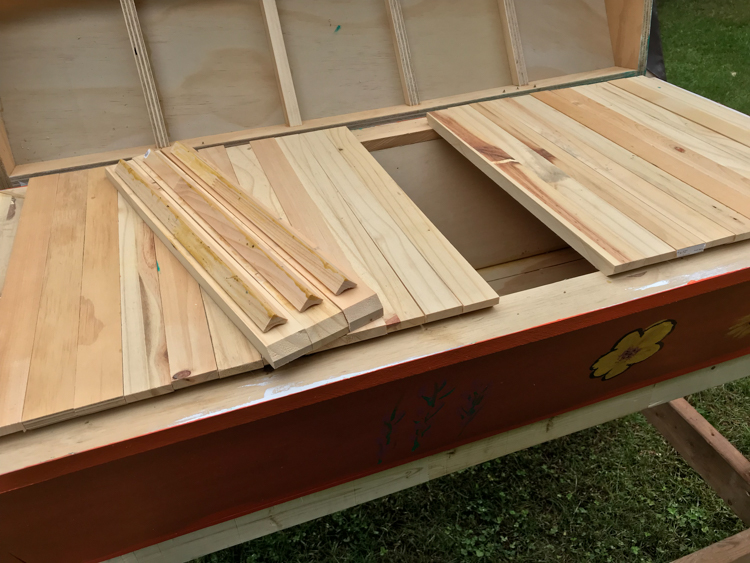
2018. I started keeping bees in 2005 and have always wanted to try out a top-bar hive so I finally built one. The only design criteria I had going into this project was to ensure that the top-bar hive had about the same amount of comb surface area as a typical Langstroth hive and secondly to work with the bees – the slope of the hive sides needed to be at a natural angle to the honeycomb that would be on the top bars, and the top bars needed to be ‘bee’ spaced apart. So far, the bees seem to be doing well with it. This hive has been my best source of raw honeycomb for the last couple of years – because there is no comb foundation like in a Langstroth hive, the only way to harvest honey from a top-bar hive is to take the comb whole and sell it as honeycomb or crush the comb to extract just the honey.
Nixie Tube Clock
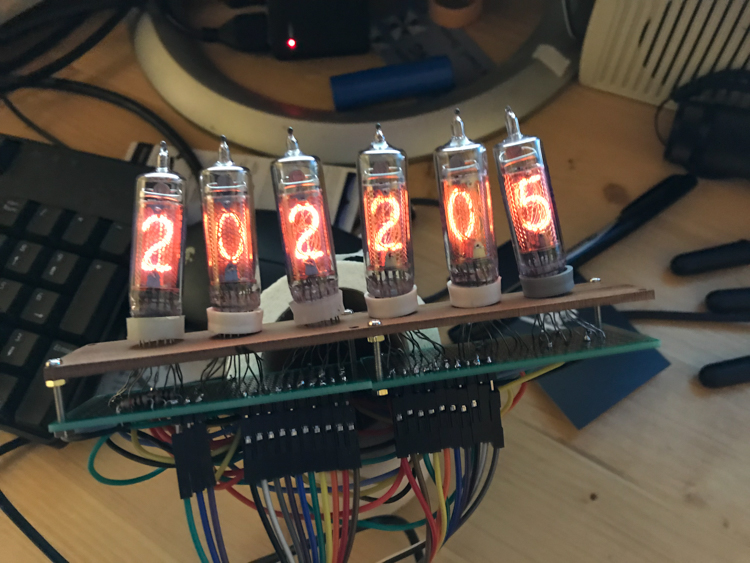
IN-16 Nixie tubes, control and power via an ArduNIX shield on an Arduino UNO. I have yet to build a case for this clock. Nixie tubes are often sourced as surplus parts from former Soviet countries as that is where they were in use the longest. In the case of the IN-16 tubes, each one has a cathode element for each numeral 0-9. The ArduNIX shield is from robotpirate.com.
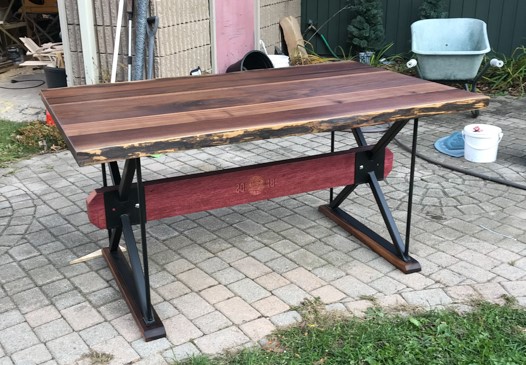
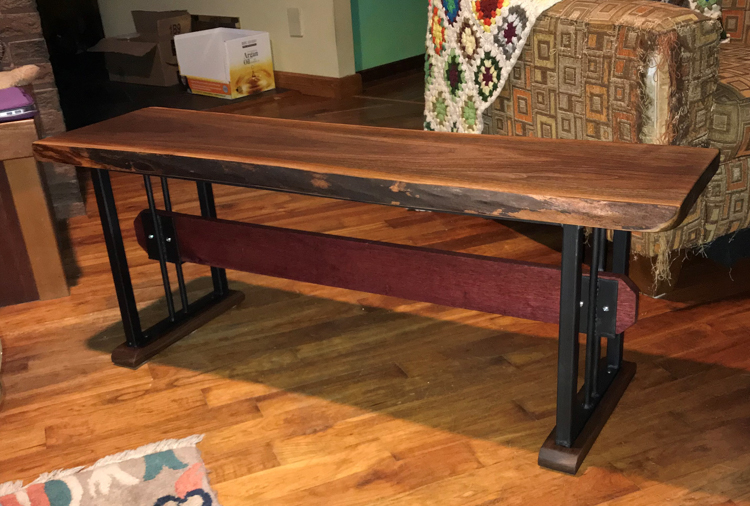
Live Edge Dining Table Set
2018. While on a wood shopping trip to Exotic Woods in Burlington with my daughter we saw this beautiful 72in x 40in walnut slab. She needed a dining table set and the slab fit in the car so, I dusted off my welding skills and got to work. The stretcher wood for both the table and benches is purpleheart. The stretcher for the table is embellished with a 3D carving done on my CNC router.
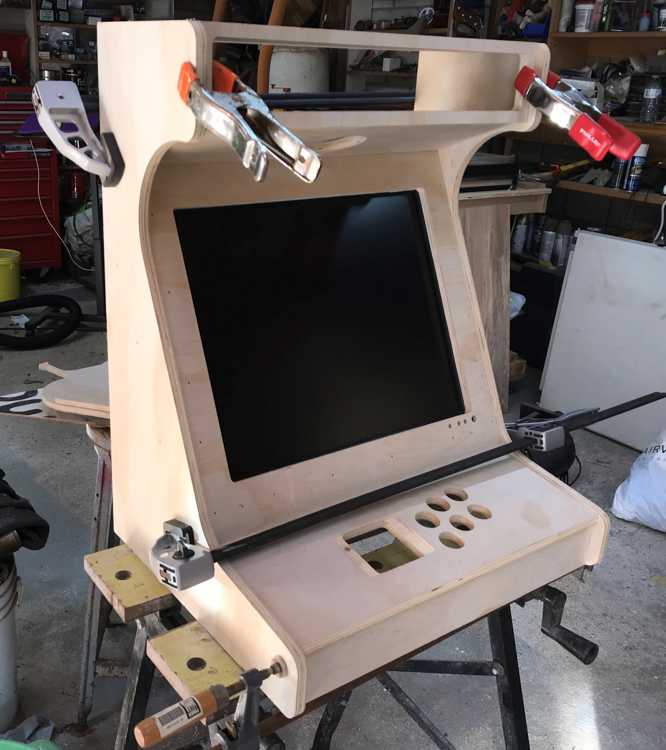
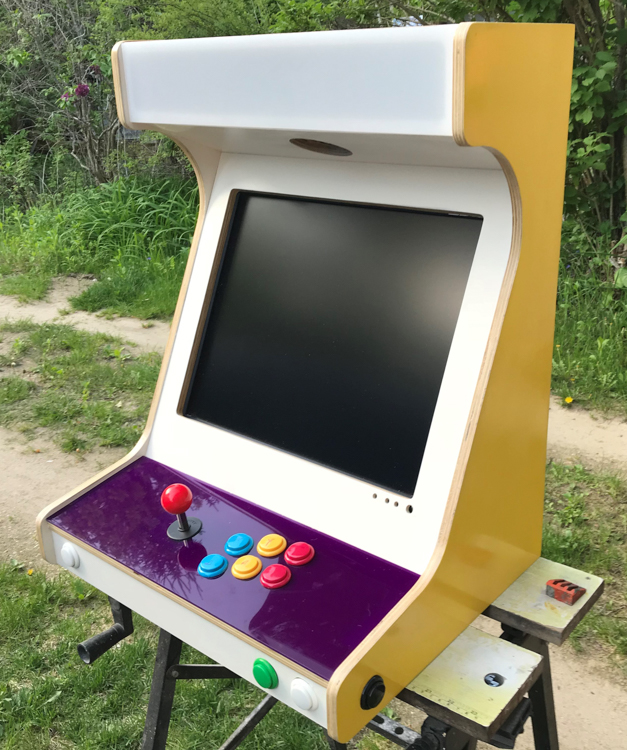
Arcade Console
2018. This is a Raspberry Pi based arcade console that I built for the coffee room at work. The console was designed in VCarve and CNC routed from 3/8″ baltic birch plywood. I used an old 4:3 aspect ratio 19″ LCD monitor as the display. The buttons, joystick and speaker are driven by a Pimoroni Picade HAT mounted on the Raspberry Pi.
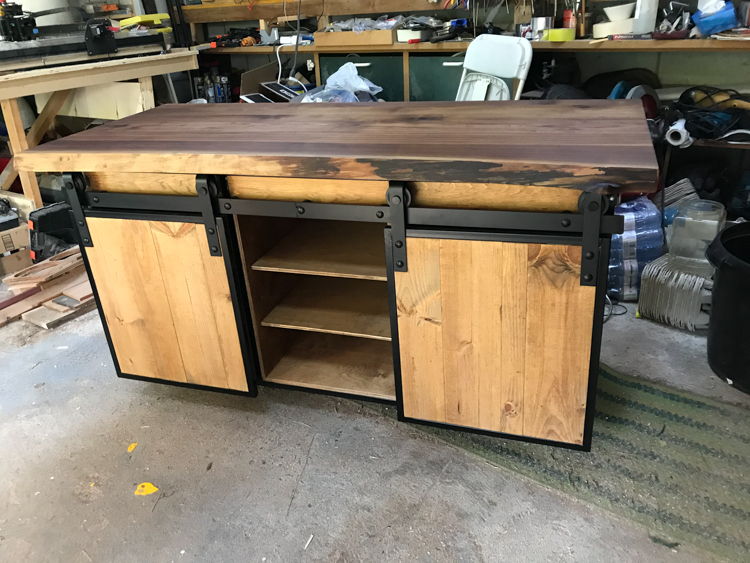
Live Edge TV Stand
2019. On another wood shopping trip to Exotic Woods, I came across this 60in x 30in walnut slab and thought it would be a nice compliment to the dining table set. The frame of the TV stand is made from welded 1/2in tube steel. The steel frame was then in-filled with 1/2in baltic birch plywood sides and shelves.
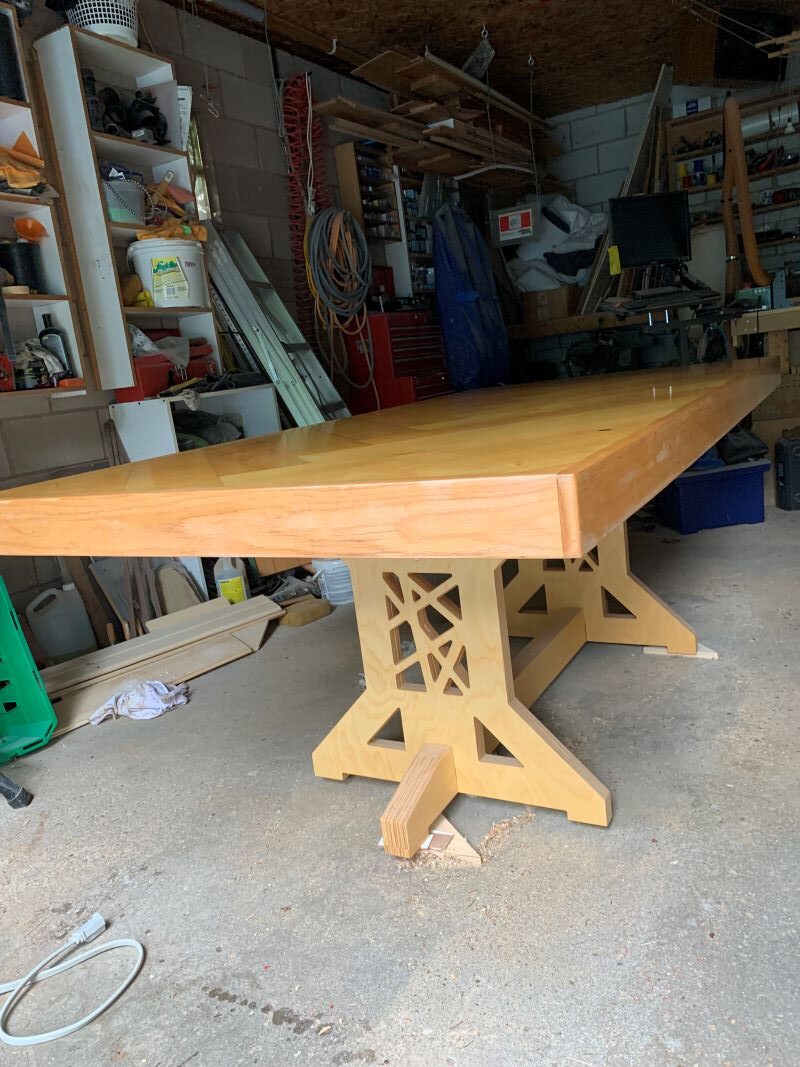
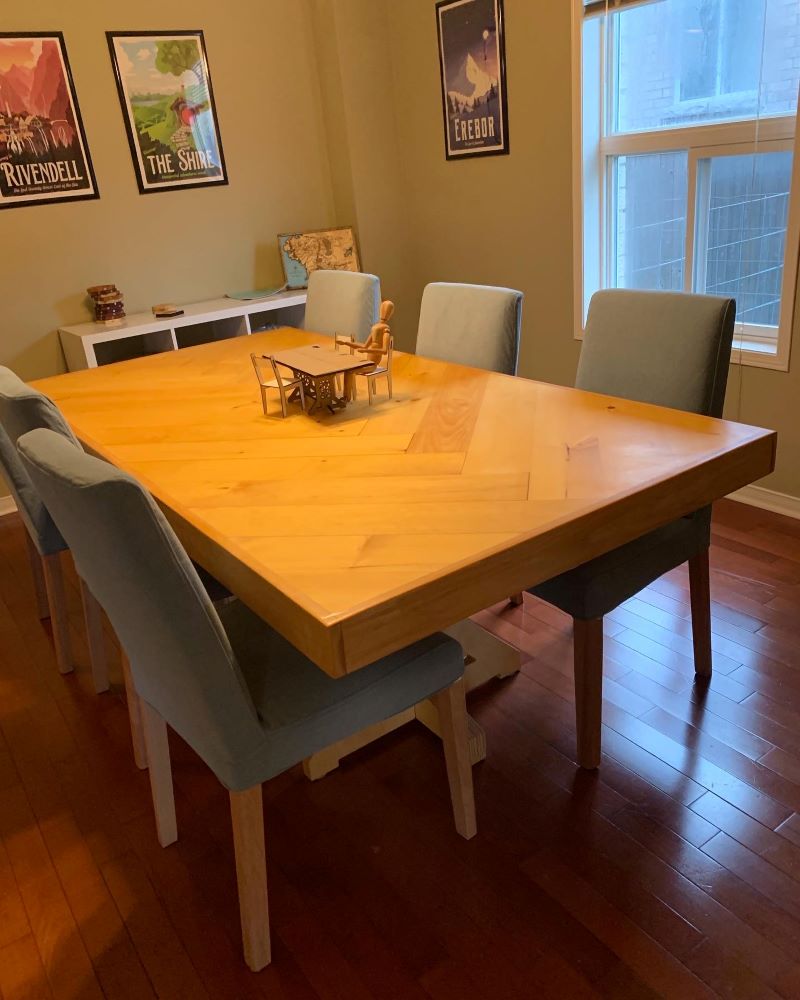
Herringbone Table
2022. 80″x40″ dining room table. Legs are double plys of 3/4″ baltic birch plywood, CNC routed. Table top is 3/4″ thick tongue & groove pine in a herringbone pattern glued to a 3/4 spruce ply backing. The table edges are beech. There is a 3/16″ layer of epoxy resin poured on the top.